Source Led Toning Facial Microcurrent Device for Home, Travel, Salon
Compare 30 led toning facial microcurrent devices from verified suppliers. Explore options for home use, travel, and salon applications with varying features like EMS, light therapy, and microcurrent technology; compare the available evidence and request quotations based on your requirements.
Key considerations
Products List
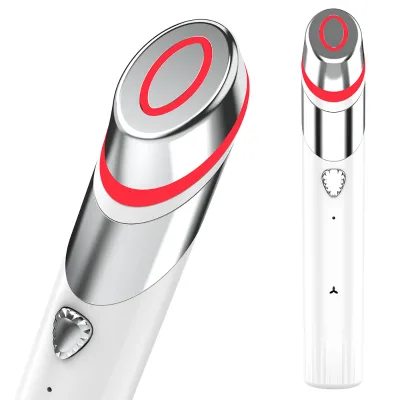
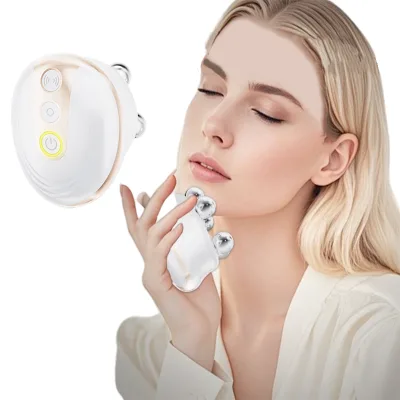


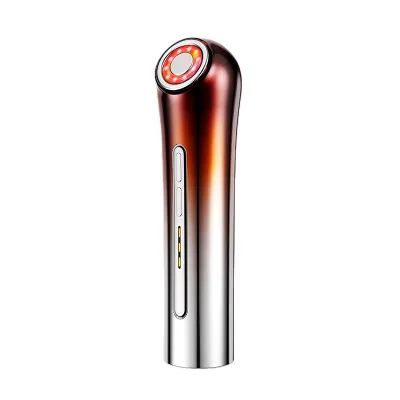
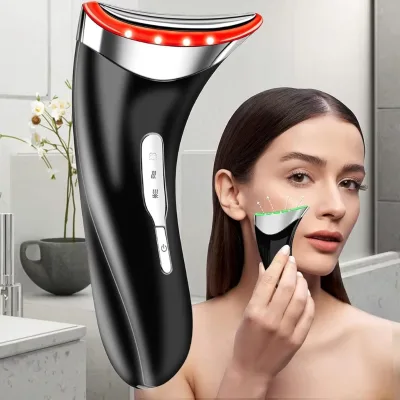



Comprehensive Sourcing Guide
Led Toning Facial Microcurrent Device Sourcing Guide
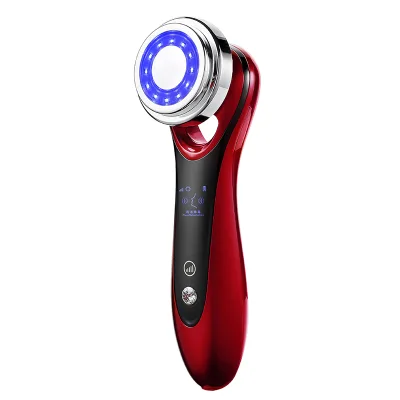
Procuring handheld beauty devices requires careful evaluation of dual-technology integration, specifically the combination of LED light therapy and microcurrent stimulation. Buyers must distinguish between devices that offer simple red and blue light modes and those that provide advanced multi-level intensity control for targeted skin rejuvenation. The observed market includes products with varying feature sets, such as wrinkle removal, blood vessel reduction, and facial lifting capabilities. Understanding these functional differences is critical for aligning product selection with specific customer demographics and aesthetic goals.
The physical design and power source significantly impact user experience and logistical planning. Devices are typically constructed from durable ABS plastic and range from compact, portable units to larger, multi-functional systems. Power options vary from battery-operated models to rechargeable units with specific capacity ratings, influencing both the device's weight and its operational longevity. Buyers should prioritize ergonomic designs that ensure comfortable handling during extended treatment sessions while verifying that the power system supports the intended usage frequency without frequent recharging.
Product Scope and Observed Listing Signals
The current market landscape for these devices reveals a diverse range of product configurations, primarily centered around handheld form factors. Listings indicate a strong presence of brands such as Dtain and OEM options like Wayestar, suggesting a mix of branded and private-label opportunities. The observed product names often highlight key functionalities, such as "4 in 1 Led Light Therapy" or "EMS 3D Mini Microcurrent Facial Toning Device," which signal the integration of multiple treatment modalities into a single unit. This consolidation of features appeals to consumers seeking comprehensive home-care solutions.
Observed specifications provide insight into the technical capabilities and physical attributes of available inventory. Common features include five levels of intensity control, waterproof ratings that vary by model, and specific target areas like the eyes, neck, and face. Some devices are marketed for body slimming and muscle relaxation, indicating a broader application scope beyond facial care. Buyers should note the variation in plug types, which range from CN and JP to US, EU, and UK standards, necessitating careful attention to regional electrical compatibility for international distribution.
Technical Specifications to Verify
Verifying the technical parameters of LED and microcurrent devices is essential for ensuring efficacy and safety. Buyers must confirm the specific wavelengths of the LED lights, typically red and blue, and their intended therapeutic effects on skin cells. For microcurrent units, the output stability and current intensity levels are critical; devices often feature adjustable settings to accommodate different skin sensitivities. The depth of treatment, often cited in millimeters, should be verified to ensure it aligns with the claimed benefits for collagen stimulation or muscle toning without causing discomfort.
Physical dimensions and weight are important factors for both user comfort and shipping logistics. Handheld devices generally weigh between one and two kilograms, with compact models designed for portability and travel. The inclusion of accessories such as USB charging cables and batteries should be confirmed, as these impact the overall value proposition. Additionally, the material composition, primarily ABS plastic, should be assessed for durability and heat resistance, ensuring the device can withstand repeated use and potential exposure to skincare products without degrading.
Compliance and Safety Documentation
Safety compliance is paramount when sourcing electronic beauty devices that interact with human skin. Buyers must request detailed documentation regarding electrical safety, including certifications for low-voltage operation and insulation integrity. Since these devices often operate on rechargeable batteries, verifying compliance with lithium-ion battery transport regulations is crucial to avoid shipping restrictions. Documentation should also cover electromagnetic compatibility to ensure the device does not interfere with other electronic equipment or pose risks to users with pacemakers or other implanted devices.
Waterproof ratings and material safety data sheets are additional critical documents. If a device is marketed as waterproof, buyers should verify the IP rating to understand its resistance to water ingress during cleaning or use. Material safety certifications ensure that the ABS plastic and any internal components are free from harmful substances like phthalates or heavy metals. Warranty terms, which can range from six months to two years, should be clearly defined in the supplier agreement, outlining the process for repairs or replacements in case of manufacturing defects.
Cost Drivers and Commercial Terms
The cost of led toning facial microcurrent devices is influenced by several factors, including the complexity of the electronic components and the level of customization offered. Devices with multiple treatment modes, such as EMS, LED, and heating functions, typically command higher prices due to the increased engineering and assembly requirements. Customization options, such as private labeling with custom logos or packaging, add to the unit cost but can enhance brand value for resellers. Buyers should negotiate clearly on whether these customization fees are one-time setup costs or recurring per-unit charges.
Minimum order quantities and payment terms significantly impact the overall procurement strategy. Observed MOQs vary widely, allowing for both small trial orders and large-scale bulk purchases. Buyers should assess the supplier's flexibility in adjusting MOQs for repeat orders to manage inventory risk effectively. Payment terms should be structured to protect cash flow, with options for partial deposits and balance payments upon shipment. Understanding the total landed cost, including shipping and duties, is essential for accurate margin calculation and competitive pricing in the target market.
Supplier Qualification and Quality Control
Evaluating supplier qualifications is a critical step in mitigating procurement risks. Buyers should verify the supplier's manufacturing capabilities, including their production capacity and quality control processes. Factories with established experience in electronic beauty devices are more likely to deliver consistent product quality and adhere to technical specifications. Requesting samples for thorough testing is essential to evaluate the device's performance, build quality, and user interface before committing to a larger order.
Quality control measures should be integrated into the procurement process to ensure product reliability. Buyers should define clear acceptance criteria for functional tests, such as LED brightness, microcurrent output stability, and battery charging efficiency. Inspections should also cover physical defects, such as cracks in the ABS housing or loose connections. Establishing a clear communication channel with the supplier, including direct contact information for technical support, ensures that any issues can be addressed promptly. Long-term partnerships should be built on mutual trust and a shared commitment to quality and customer satisfaction.
Long-Term Procurement Checks
Sustaining a successful procurement strategy requires ongoing monitoring of product performance and market feedback. Buyers should establish a system for collecting customer reviews and complaints to identify potential design flaws or performance issues early. Regularly reviewing warranty claims can provide insights into the durability of the devices and help negotiate better terms with suppliers. Staying informed about regulatory changes in key markets ensures continued compliance and avoids potential legal issues related to product safety and marketing claims.
Technological advancements in the beauty device sector necessitate periodic reviews of product offerings. Buyers should assess whether current models remain competitive in terms of features, such as improved LED wavelengths or more efficient microcurrent technology. Engaging with suppliers to discuss future product developments can provide opportunities for exclusive launches or updated versions. Building a robust supply chain relationship allows for greater flexibility in responding to market trends and consumer preferences, ensuring long-term profitability and brand loyalty in the competitive beauty industry.
FAQs
What features does the Dtain LED light therapy device offer?
The device offers wrinkle removal, blood vessel removal, and skin rejuvenation. It includes five levels of intensity and targets the eyes, neck, and face. The unit also provides a massage function to relax muscles while using red and blue light therapy for effective skin treatment.
Can I use this facial device for body treatments?
Yes, certain models in this category are designed for body treatment areas. While some units focus on the face, others support body applications. You should verify the specific target area listed for each product before purchasing to ensure it matches your intended usage location.
How long is the warranty period for these devices?
Warranty periods vary between six months and two years depending on the specific model. Some units come with a two-year warranty while others offer six months. Always check the product specifications to confirm the exact coverage duration before finalizing your order.
What is the battery capacity of the handheld device?
The handheld device features a 500mAh battery capacity for portable use. It is rechargeable and designed for home or travel applications. This capacity supports multiple sessions, making it convenient for users who need a reliable power source during their beauty routines.
Which plug types are available for this product?
The product supports multiple plug types including CN, JP, US, EU, AU, UK, ZA, and IT. This variety ensures compatibility with different regional power standards. Buyers can select the appropriate plug type based on their specific location to ensure safe and convenient operation.
Is the device waterproof for use in wet environments?
Waterproof capabilities vary by model, with some units rated as waterproof and others not. You must check the specific product attributes to confirm if a device is suitable for wet environments. Always verify this feature before purchasing to avoid potential damage during use.
What materials are used to construct these beauty devices?
These devices are primarily constructed from ABS plastic or ABS combined with other plastics. This material choice ensures durability and a lightweight design for handheld operation. The construction supports the internal electronics while maintaining a comfortable grip for extended use during facial treatments.